
Hiring
How operators find, evaluate, and welcome the right people, the single decision that compounds hardest.
Hiring is the highest-leverage recurring decision in any organization. A single wrong hire can cost more than a year of profit. A single right hire can define a decade.
How exceptional operators approach hiring.
- 01What is the actual job I am hiring for, not the title I want to write?
- 02Who on my team should be in the final interview, and why?
- 03What is the smallest real task I can watch this person do?
- 04What am I willing to fire for, and am I saying that in the interview?
- 01You hired quickly because the pain was acute, not because the person was right.
- 02Your interview process is the same for every role.
- 03You never involve future peers in the decision.
- 04You keep hoping the person will grow into the role.
- 01Write a one-page scorecard for the role before you write the job description.
- 02Add a paid working session or trial to your interview loop.
- 03Introduce a final round with a peer who has veto power.
Conversations on hiring

The Second-Generation Operator's Playbook for Not Breaking What Works
A conversation on succession, patience, and why the shop floor is the only spreadsheet that tells the whole truth.

Why Priya Raman Closes on Mondays and Publishes Her Payroll
A conversation on hiring, standards, and why restaurant work should not require destroying the people who do it.

Bootstrapping to $28M ARR Without Selling a Single Share
A conversation on pricing, apprentice hiring, and why boring software wins boring markets.

How a Third-Generation Auto Shop Tripled Revenue and Cut the Workweek
A conversation on family business, compensation design, and selling certainty in a low-trust industry.
Operators known for hiring
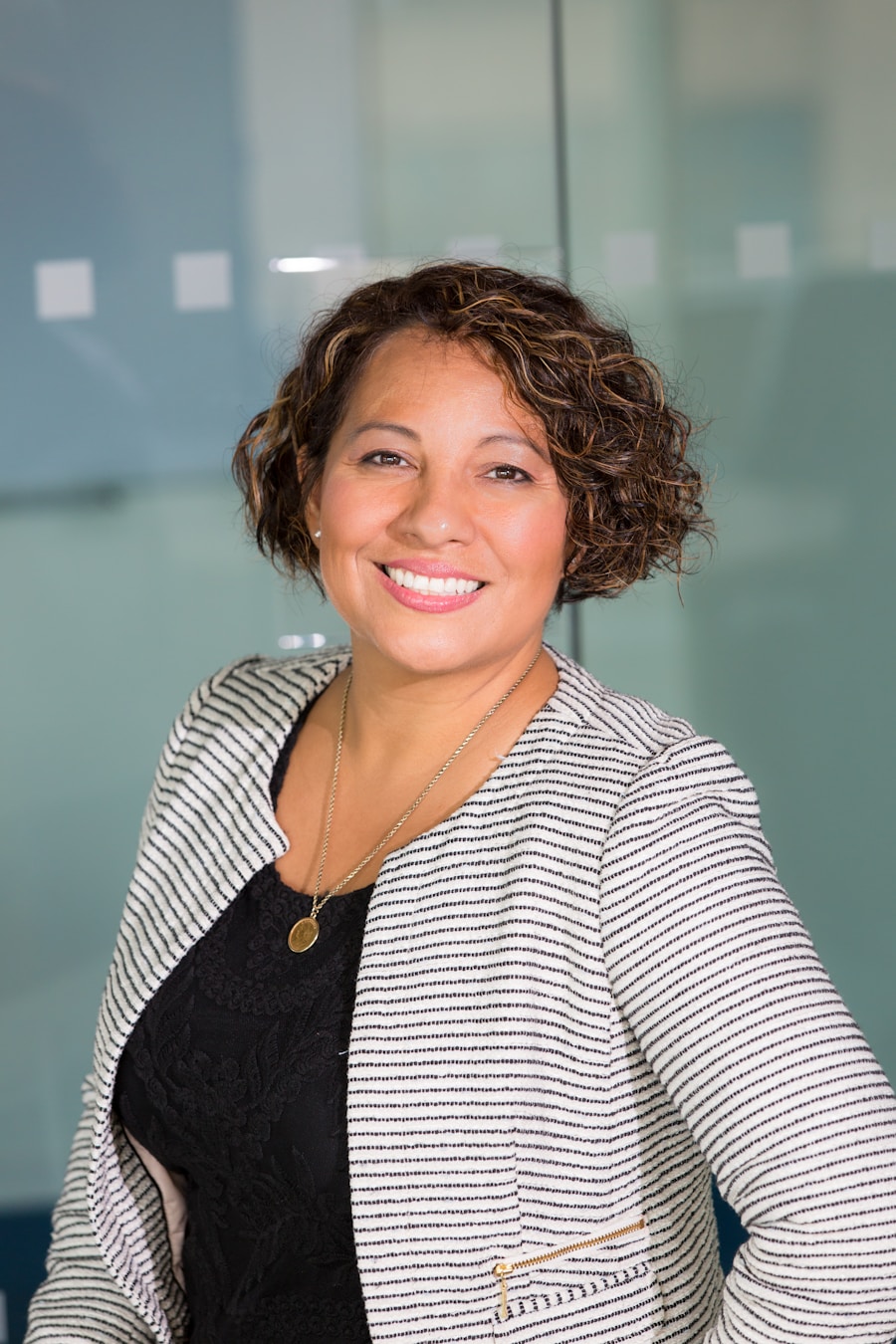
Second-generation manufacturing operator running a 90-person precision machining shop she inherited at 34.

Third-generation independent auto shop owner who's tripled revenue while cutting hours.

Runs a five-restaurant group known for retaining staff twice as long as the industry average.

Bootstrapped a vertical SaaS company to $28M ARR without outside capital.